
Supporting Loved Ones with Serious Illness
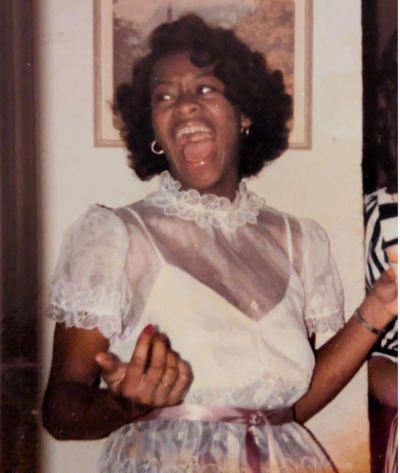
In April of last year, one of my family members was diagnosed with an incredibly rare form of cancer caused by environmental carcinogens she encountered while serving as a first responder in 9/11. She was a head nurse at a major hospital in the Northeast, formed nursing associations for women of color that were recognized by the city and state she lived in, and served as a deacon at her church. To me, she was an unstoppable force of caregiving and one of the loudest laughs in the room. I would watch her take work calls during Christmas dinners and wonder how she found the time to coordinate making sure everyone had a stocking filled to the brim with treats amidst the never-ending work.
And then she got sick. And sicker. And I felt helpless.
I was several states away with no medical background beyond watching Grey’s Anatomy a million times and she was a medical professional being cared for by her colleagues, one of whom specialized in her rare cancer, at the hospital she practically ran. Two of her daughters are nurses, and several other family members who were nearby had medical backgrounds. What could I possibly offer? How could I hope to help?
If you find yourself in a similar position, wondering how you can support not just a loved one experiencing a serious health condition but also their family who may be taking on caregiving roles, consider learning about the Family Medical Leave Act (FMLA) and paid family leave options in your state and being their support for applying for paid family leave. FMLA will ensure they can take unpaid time off to care for their family and know their job will be protected for them to return to. Paid family leave benefits will allow them to receive income replacement for the time they were on leave. With resources similar to our DC FMLA guide for employees and our Paid Family Leave (PFL) application step-by-step guide, I was able to walk two family members through protecting their jobs with FMLA requests and walk one through applying for paid family leave for caregiving, allowing them to take time off to focus on caring without worrying about how they would pay their bills. Serious health conditions can create incredible amounts of stress even without complications related to employment, but all too often people discover they have to choose between maintaining employment and caring for family during an already difficult time. That’s a choice no one should have to make.
Almost 9 months after her diagnosis, she passed away. We are grateful for every minute we were able to spend with her and care for her. Help make sure you and your loved ones get the time you deserve. Be your family’s FMLA and PFL advocate.
By: P. Browne